
From a lump of clay to your morning cup
Every cup starts as a heavy, damp lump of clay. Before it can become anything, it has to be wedged, which means kneading it like bread dough to push out air bubbles and even out the texture. Skip thi…
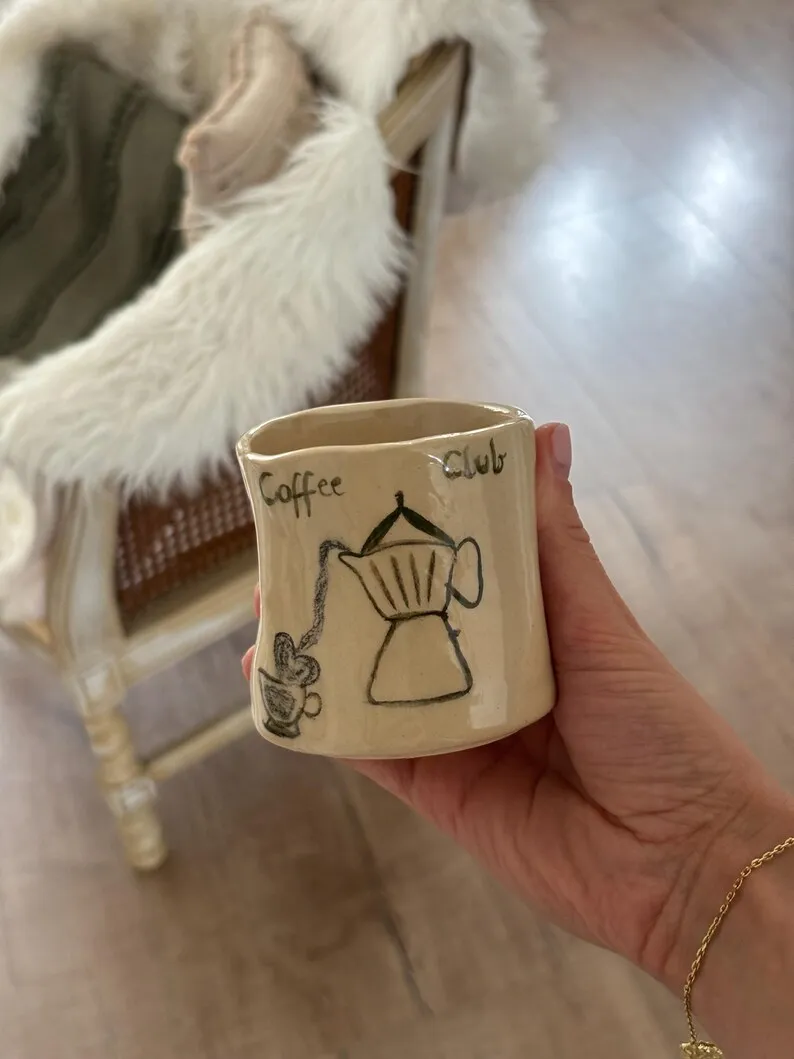
Every cup starts as a heavy, damp lump of clay. Before it can become anything, it has to be wedged, which means kneading it like bread dough to push out air bubbles and even out the texture. Skip this step and the piece can crack or even burst in the kiln.
Next comes the shaping, whether by hand or on the wheel. This is the part that looks effortless in videos and takes months to get right. A cup is pulled up from the centre in a few slow movements, and one wobble can undo it all. Then it rests. A piece has to dry slowly and evenly, often for days, because clay that dries too fast warps or cracks.
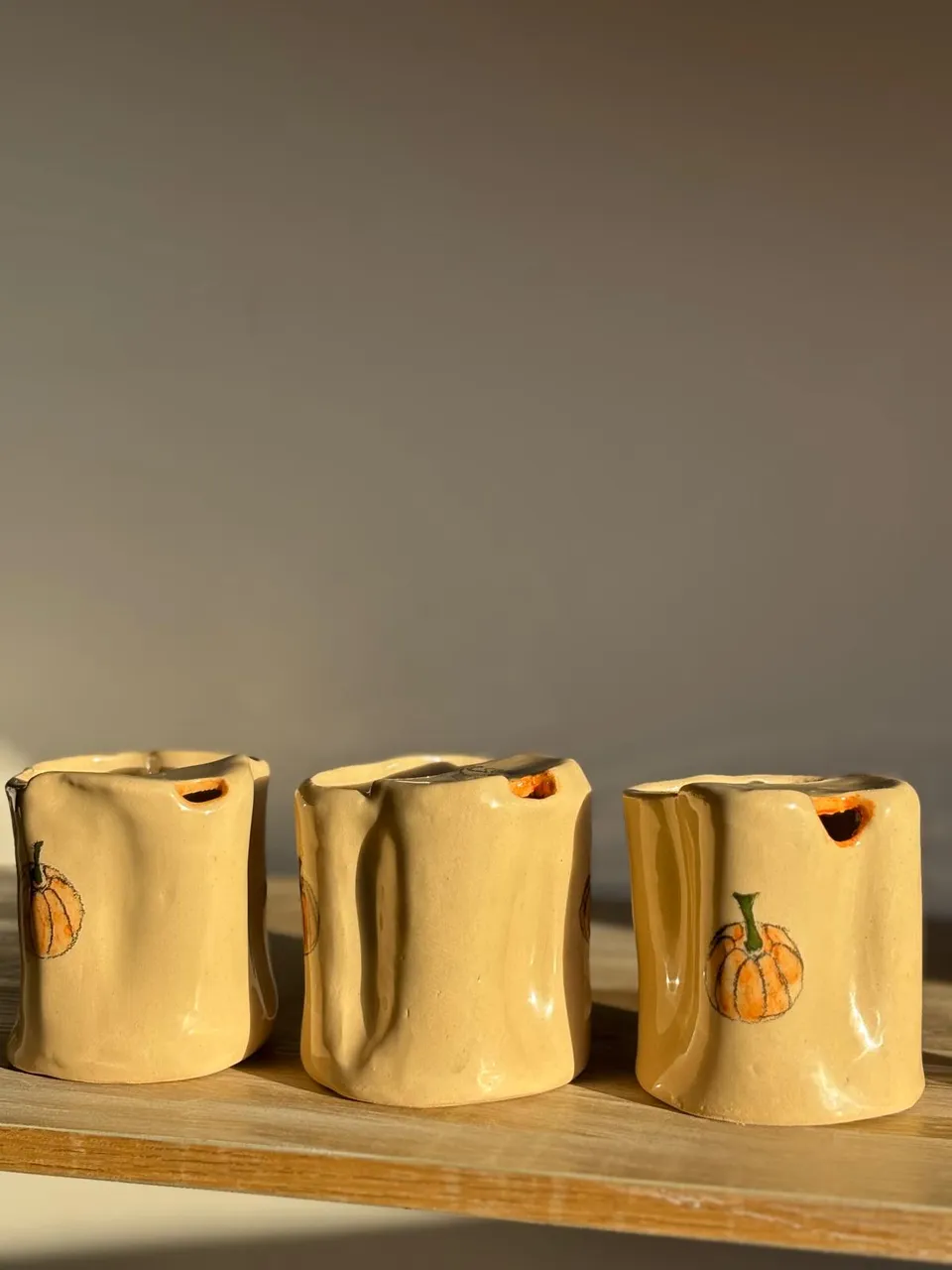
The first firing, called the bisque, turns the soft, fragile clay into a hard but porous material. Only then does the glaze go on. Raw glaze looks chalky and nothing like the finished colour, so a lot of the magic is trusting the process. The second firing melts the glaze into glass, and opening the kiln afterwards is always a surprise.
Clay also shrinks as it dries and fires, by roughly a tenth, so everything is made a little bigger than it will end up. Each piece is slightly different, and that’s part of the point. Your cup carries the marks of the hands that made it.
Next time you hold a handmade mug, think of the weeks of waiting behind it.